

A Brief History of Sashiko Embroidery
Finding Beauty in Constraint

Sashiko is an embroidery tradition that started in Japan during the Edo period, a time when the country was divided by classes and fabrics were a luxury. Though it was a highly economically stable era, it was also a time where class division was strictly enforced by the Shogun, and the use of force through the Samurai was not uncommon. Historically, during this period, Japan held the most centralized power and sought isolation from the rest of the world and total self-sufficiency. Resources were just enough, with the higher classes benefitting the most from what was available.
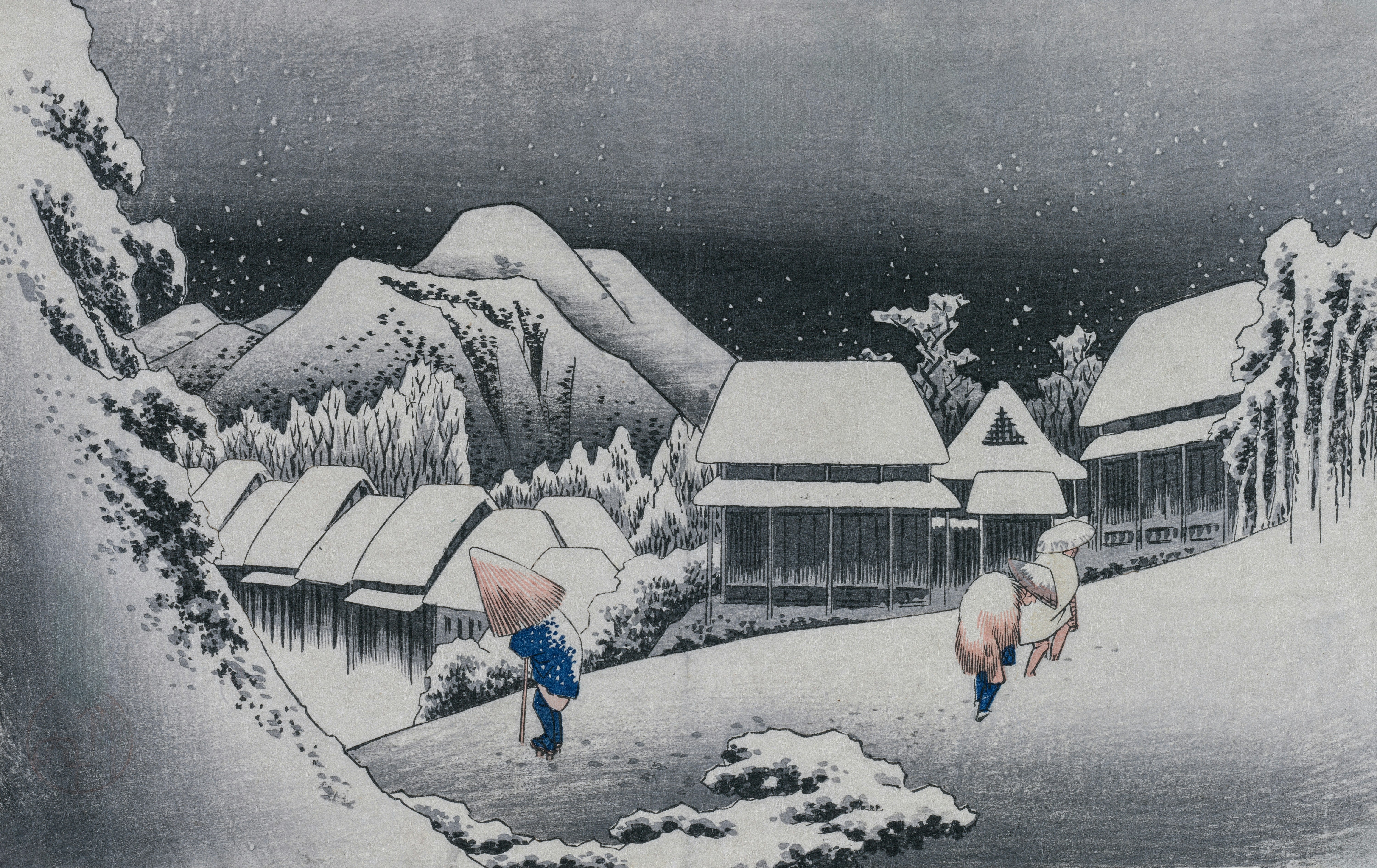
While the upper classes used exclusive fabrics for their Kimonos, the working classes were left with more humble fibers like hemp, ramie, and cotton. These materials were labor-intensive and became precious. As commoners were forced to make do with what they had, they began to sew scraps of fabric together and mend clothes, developing this particular stitching technique. The fabrics were dyed in a deep-blue hue with indigo, a natural dye extracted from a plant abundant in the region. Due to its historical significance, this color now carries the nickname “Japan Blue.” What struck me is that It didn’t take long for creativity to spark within this practice; people started creating beautiful patterns representative of their own life experiences or of nature itself, and even creating patterns that became symbols of good fortune.
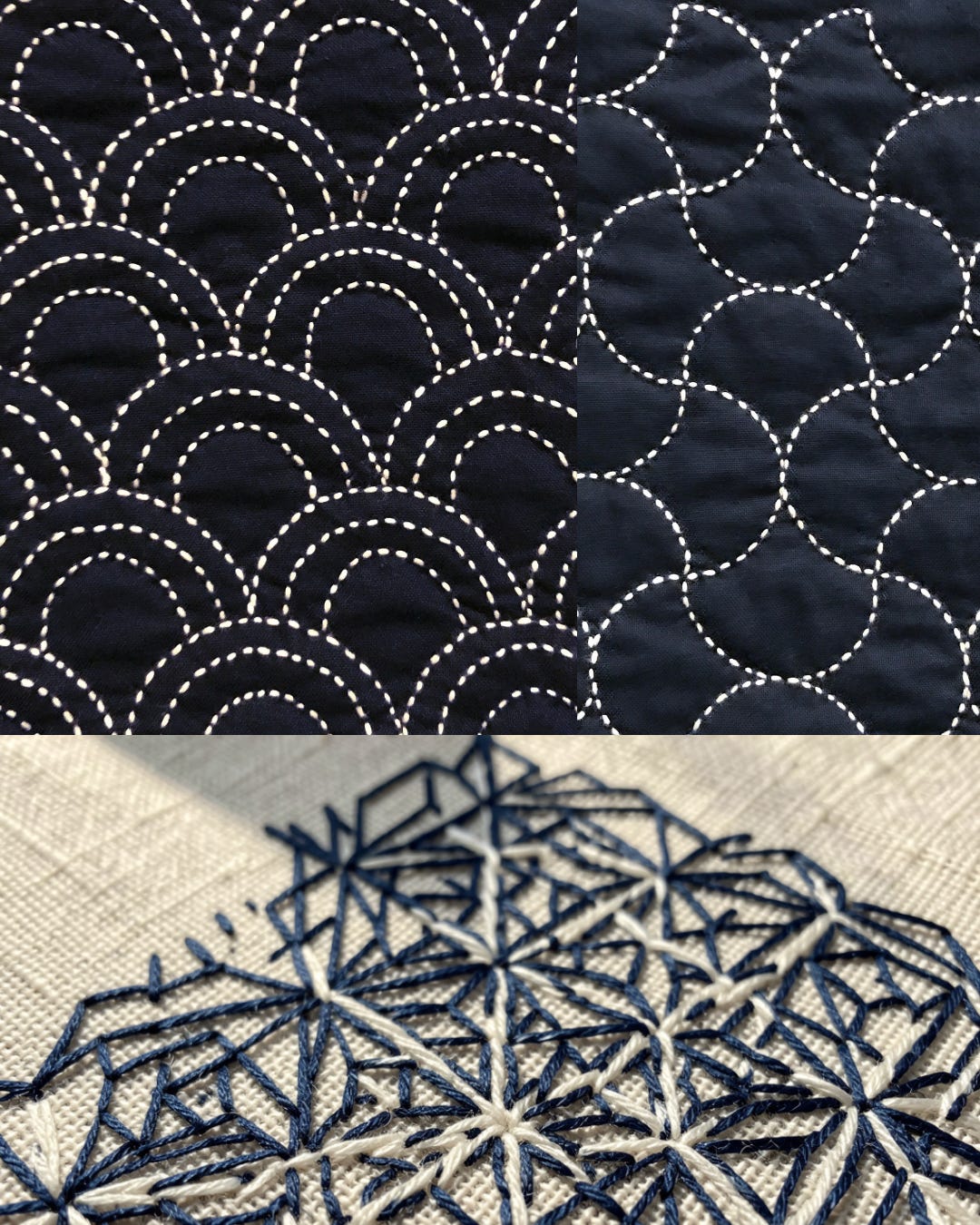
It is amazing to see how this difficult collective experience of Japanese commoners during the Edo period led to the creation of a beautiful embroidery method that is still thriving in Japan today and has been adopted all over the world. It is a testament to human resilience and creativity.
Two things come to mind when I think about Sashiko: first, the power of human ingenuity and creativity, turning something functional, necessary, and instinctually about survival into something enjoyable and beautiful; and second, how human creativity always flourishes, even in difficult times. The Sashiko practice has evolved into a meditative practice, often called “mindful stitching”, a form of expression and design, and it has helped people all over the world find joy in mending their clothes. To me this, among other similar examples, has become a source of inspiration for my work in conscious fashion.